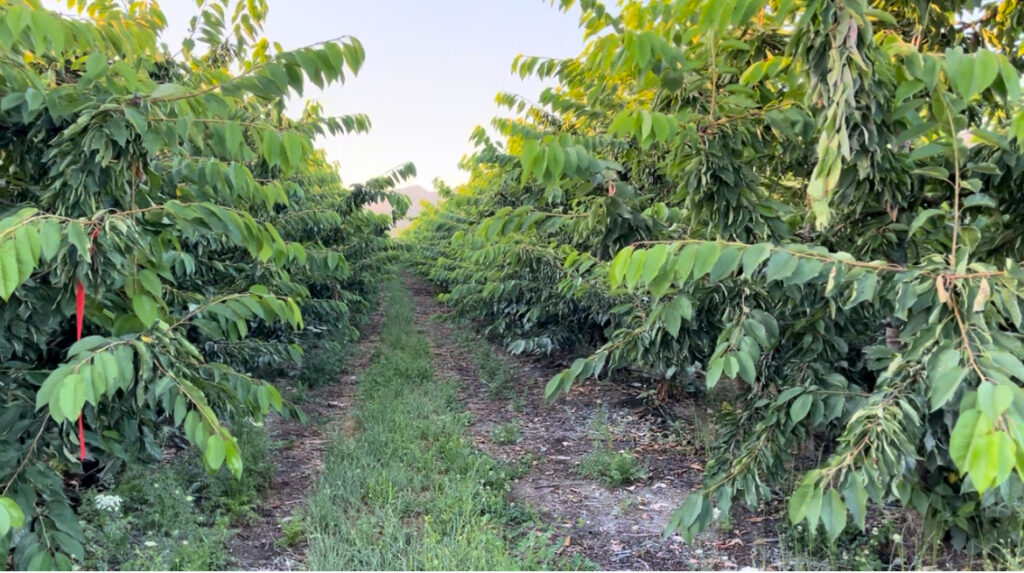
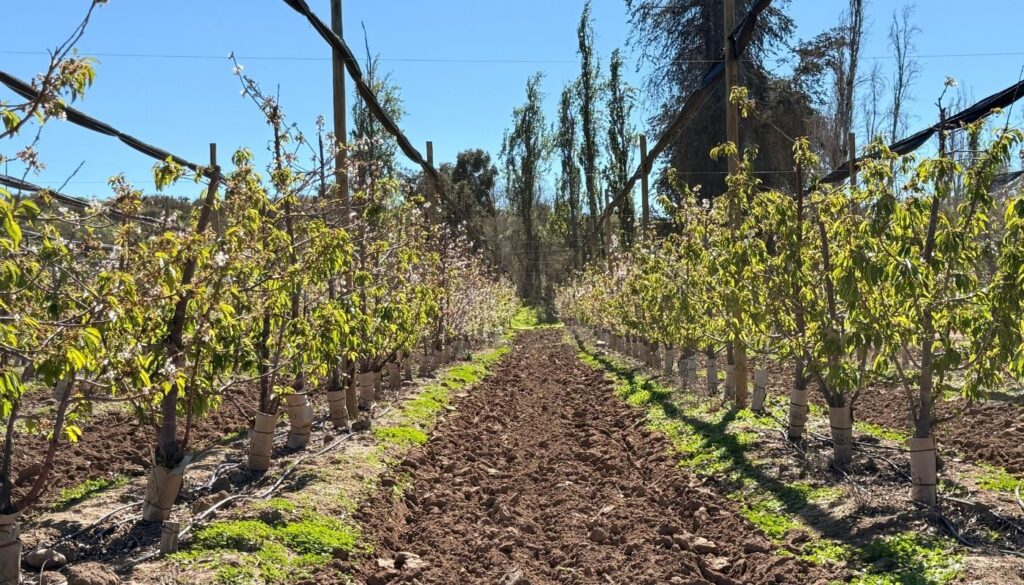
One of the key moments of the year for cherry growers is the intense spring-summer harvest period, as there are a number of determining factors for achieving good results, including: the supply and demand of labor in the area, climatic factors, heat and exposure of the fruit to the sun, coordination of large teams of people, the cleanliness of the general harvesting process and the quality of the fruit in the orchard.
Regarding the quality of the fruit, there are factors that cannot be controlled on the day of harvest (the weather or the condition of the fruit in the plant), but at the same time there are other key factors that can be controlled and that have to do with the characteristics of the quality and handling of the fruit from the time it is extracted by the harvester until it is taken to the plant.
Among the quality factors that can be controlled we have:
- The bruise caused by careless handling of the fruit when harvesting or moving it in boxes.
- Fruit rot
- Bird bites
- Fruit without a pedicel: a defect that, although sometimes tolerated, is far from ideal, as it is due to poor handling by the harvester or because the fruit is very soft due to the heat.
- The different types of partitions
- Pre-calibration
- Lack of color
- Lack of soluble solids
The above factors, if they are present in the harvest, can greatly affect the overall quality of the work, which can have serious consequences. For the above reasons, it is crucial to keep an up-to-date control on the ground of how these parameters are evolving. This will allow us to stop these problems in time to make the necessary corrections so that our harvest meets the standards in the quality inspection areas.
It is important to pay attention to the evolution of the different quality parameters during the harvest in order to take corrective measures in an informed manner, thus reducing the chances of our results being affected.