In our new section “From North to South” we spoke with Tirso González, Technical Manager of Exportadora Idahue Chile SA, corresponding to the Hijuela Pataguas Sur, of the former Hacienda San José de Pataguas; they are also cherry producers, and their orchards are located about 15 kilometers south of the city of San Vicente de Tagua Tagua.
The field is made up of a total of 211 flat hectares, on which, in 2017, 93 hectares of cherries were planted, in addition to 84 hectares of W. Murcott mandarins. It has water rights, corresponding to 150 lt/sec, which are mechanically raised to a height of 20 m from the Patagüino Canal, a branch of the Elzo Canal, to be emptied into accumulation ponds with a current capacity of a total of 150,000 m3, from where they are distributed to the respective planted plots, through matrices and double-line drip irrigation.
The cherries, planted in 2017, were trained in KGB, a pedestrian system, which facilitates the work necessary for production, comprising the following varieties:
- Santina 54 hectares
- Lapins 26 hectares
- Skeena 13 hectares
- Total 93 hectares
- What were the biggest fears or challenges of this 2022-23 cherry season?
"The biggest and most important fear this season was reaching the harvest deadline, December 20, in order to be able to get there before the Chinese New Year, which fell in week 3, on January 22."
«Cyanamide strategies were used to anticipate the harvest, achieving an advance of 7 days compared to last year, with good color. Using Cyanamide led us to invest in frost control, which fortunately was a success, recording 2 events in July, 5 in August and one in September. The latter caused problems and decreased production in the area.»
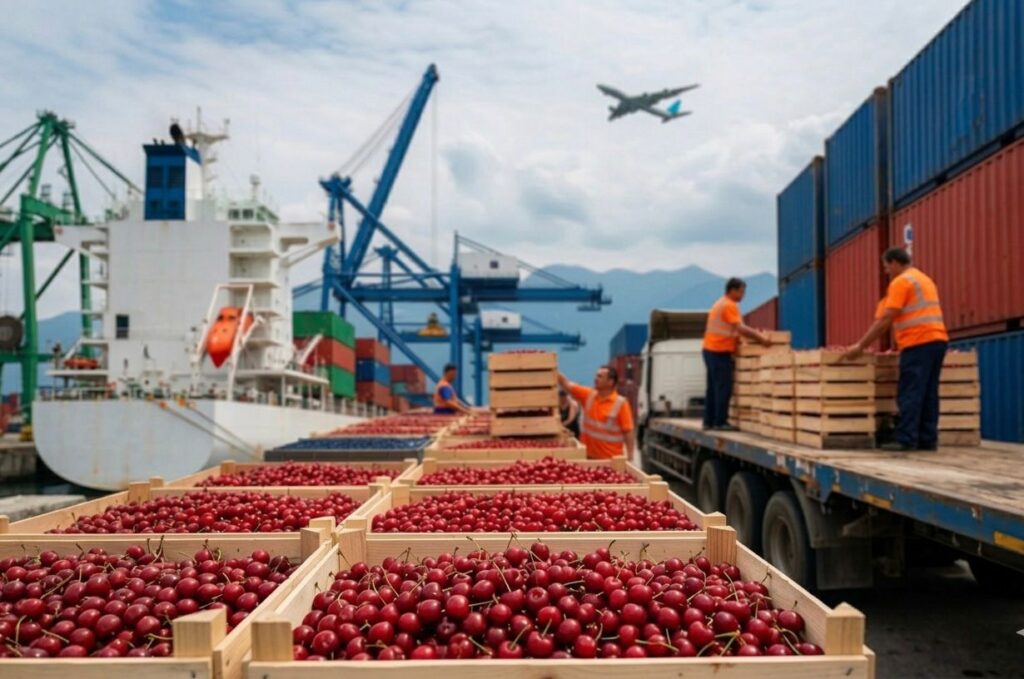
«Another point of concern compared to the previous season 21-22 was sea transport, which had been a big headache, but this season 22-23, it operated very smoothly and efficiently. There was a fear that China would be able to receive 100% of our cherry volume and that there would not be anything like the delays of last year. This worked well and without problems.»
«As a team, the challenges of the season were: to harvest between 7 to 10 days per variety, approximately 80,000 kilos of harvest per day. This objective was achieved and, even more, reaching 112,000 kilos per day. So much so, that we had problems with the lack of processing capacity. Pedestrian driving systems help a lot to harvest with more people in short times, the harvest hours were from 7 a.m. to 12:30 p.m. approximately. This season the temperatures were high and we recorded 28° of pulp at 12 p.m., we had to stop harvesting to favor the condition of the fruit and post-harvest.»

- What is your assessment of the recent cherry season?
«Good export season, with efficiency in the logistics chain of shipments, dispatch and arrival at destination. Good production, thanks to a well-rounded work team. The Santinas turned out to be a little smaller, due to the kilos produced per hectare. We must continue to improve the size of the fruit in Santina, the small sizes are almost no longer marketable.»
«Despite a cold spring, which caused a problem with fruit overcrowding, the production objectives were achieved. The projected estimates were exceeded, harvesting approximately 1,531,000 kilos, with 86,801 TP3T exported. The exported volumes were distributed as follows: Santina, 661 TP3T; Lapins, 271 TP3T, and Skeena, with 71 TP3T. Among these, Lapins had the best sales results.»
«Our biggest problem was the contracted processing capacity, as it was insufficient to process the production increase of 20% over the estimated amount. This resulted in some delays of more than 5 days in processing, but we solved it with the help of those who provided the service, using another plant to complete the excess volume.»
- In general terms, how much did you export this season and what varieties?
«Santina: 883,730 kilos; Lapins: 362,545 kilos; Skeena: 83,720 kilos; total kilos: 1,329,995, 86.80% export».
- Regarding shipments, what were the main destinations for your cherries?
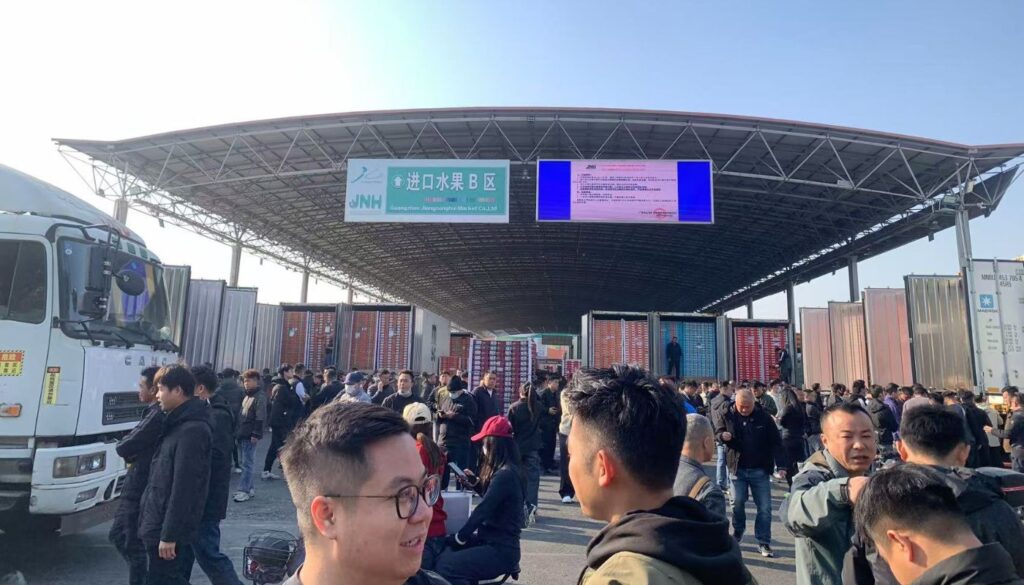
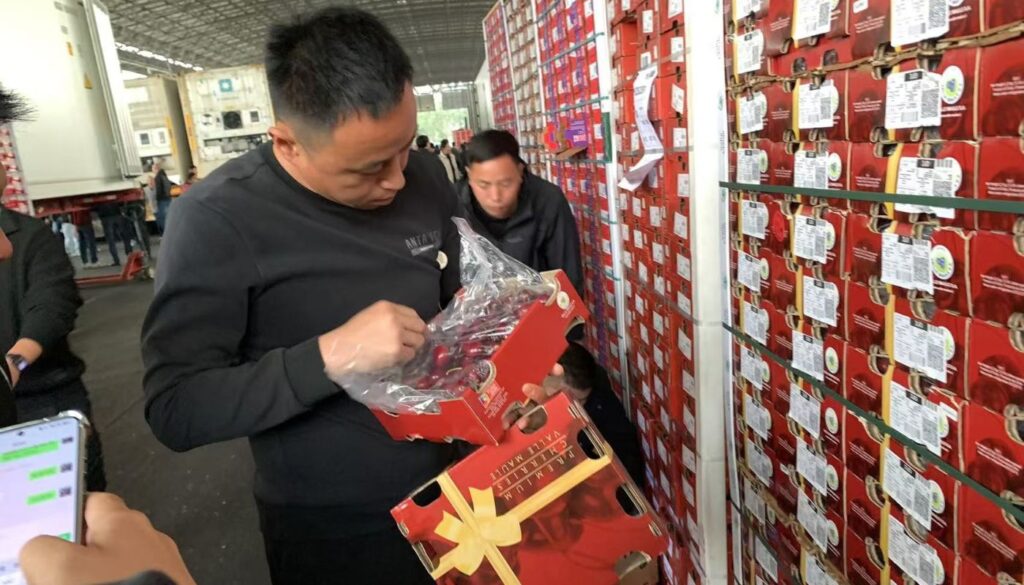
«100% to China, distributing the cargoes in several ports. We must highlight the cooperation of this country, which ended up committing 24×7 port operation shifts, which contributed to the great efficiency of this season. They were also quick in the inspections.»

- How was the workmanship?
«Generally, this season was quiet, without labor problems. There was a lot of supply, despite the strike that occurred on that date. It helps us that it is a relatively early area and we managed to recruit staff before the start of harvests in other sectors, we started harvesting week 46. It is also worth mentioning that an important help to maintain personnel for harvest is the pedestrian driving system, our orchards are 100% pedestrian«.
- What are the challenges for the next season?
«Every season is different and there are problems in all of them. It is not enough just to have the physical and mental effort that the work team puts in, climatic and commercial factors that are not within reach are also very important. Yes, we must maintain the kilos per hectare and improve the size of the fruit, moving away from L and XL sizes. We must resolve the capacity in process that helps achieve harvesting no more than 7 to 10 days per variety,» concluded from exporter Idahue Chile.
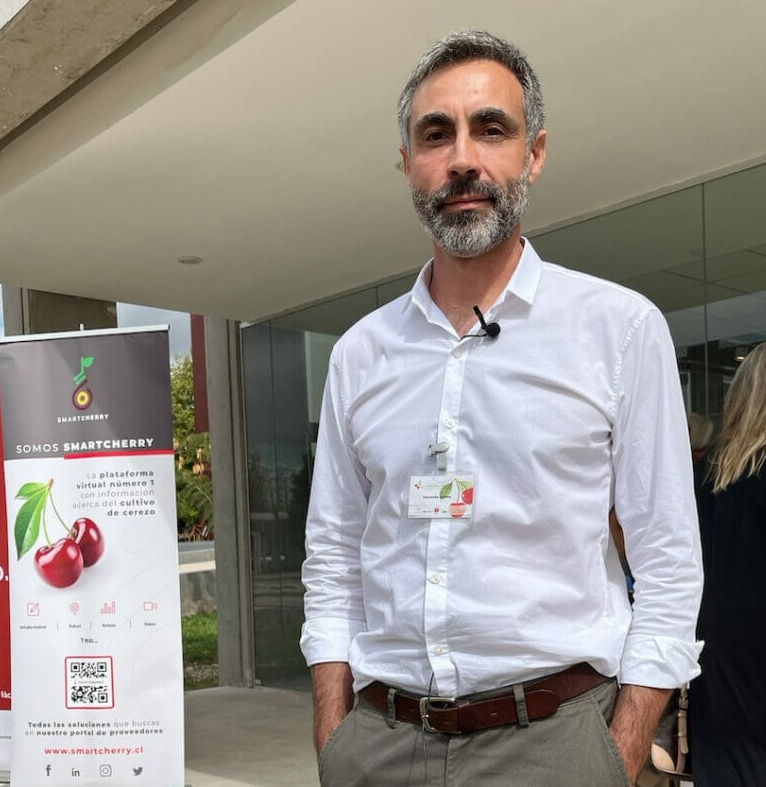
Photography: Juan Carlos Salazar, Administrator, and Tirzo González, Technical Manager.