“In such a complex season, where the weather has played against us in so many aspects, it is necessary to be careful not to neglect post-harvest procedures”
What are we seeing this season? Due to the rains before the harvest, we have observed a high incidence of crescent-shaped cracks and, particularly in Santina, stylar cracks have been seen. The second problem observed has been the incidence of rot.
In this scenario, what can we do in a packaging center?

Santina.
First, in response to the question of whether or not to perform hydrocooling treatment, it should be made clear that this operation should always be performed, even if the exposure times are reduced to 1 minute or 30 seconds. For now, this reduction in time has been possible, where the temperature drops by a few degrees, since the days have been cool, with no fruit receiving temperatures above 20°C and because the fruit is being processed practically immediately or the next day. As temperatures increase or fruit is stored for more than 48 hours, the wetting times should be lengthened or normalized, since it will be necessary to properly cool the fruit in order to prevent the fruit from developing cracks.
The second is how to work these batches with partitions?
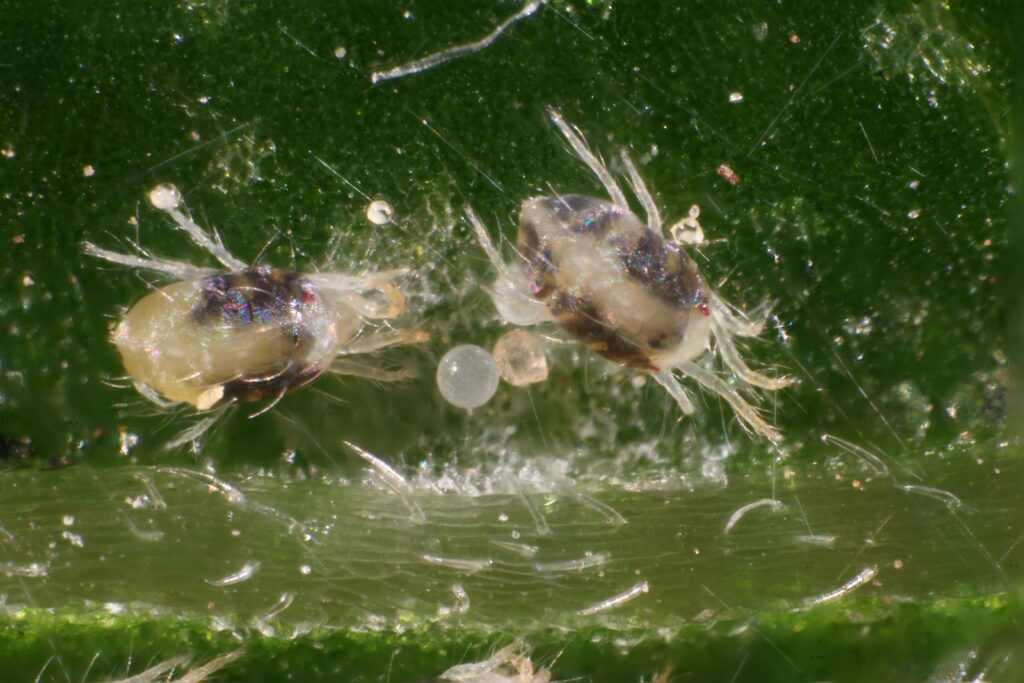
Defect selectors must work together with the support of personnel at the exits to the packed box, since all damage associated with severe and moderate cracks must be removed (figure 1). In addition, returns and fruit that remains floating in the emptying tanks must be controlled, since they could be overexposed to water and thus affect their condition.

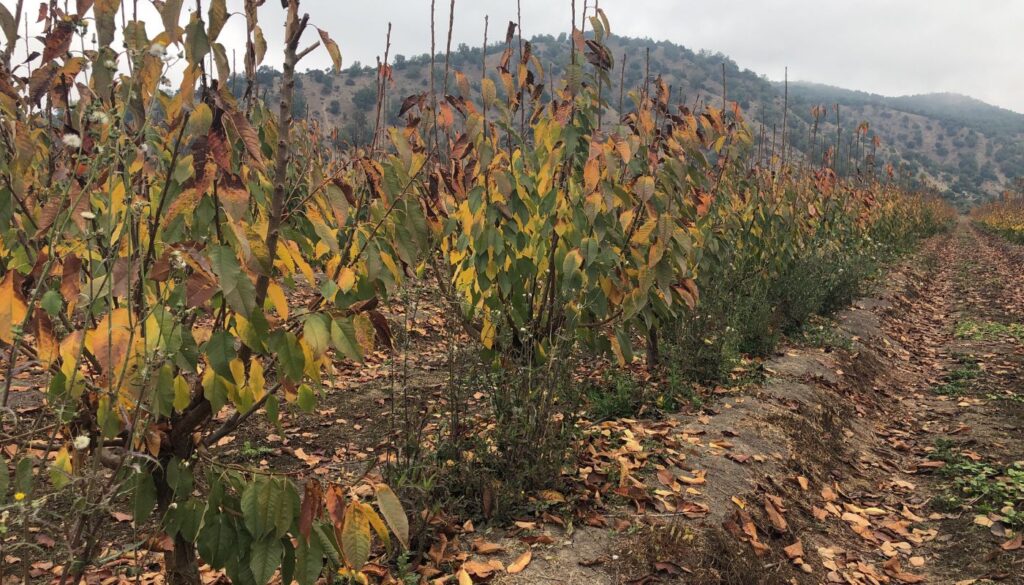
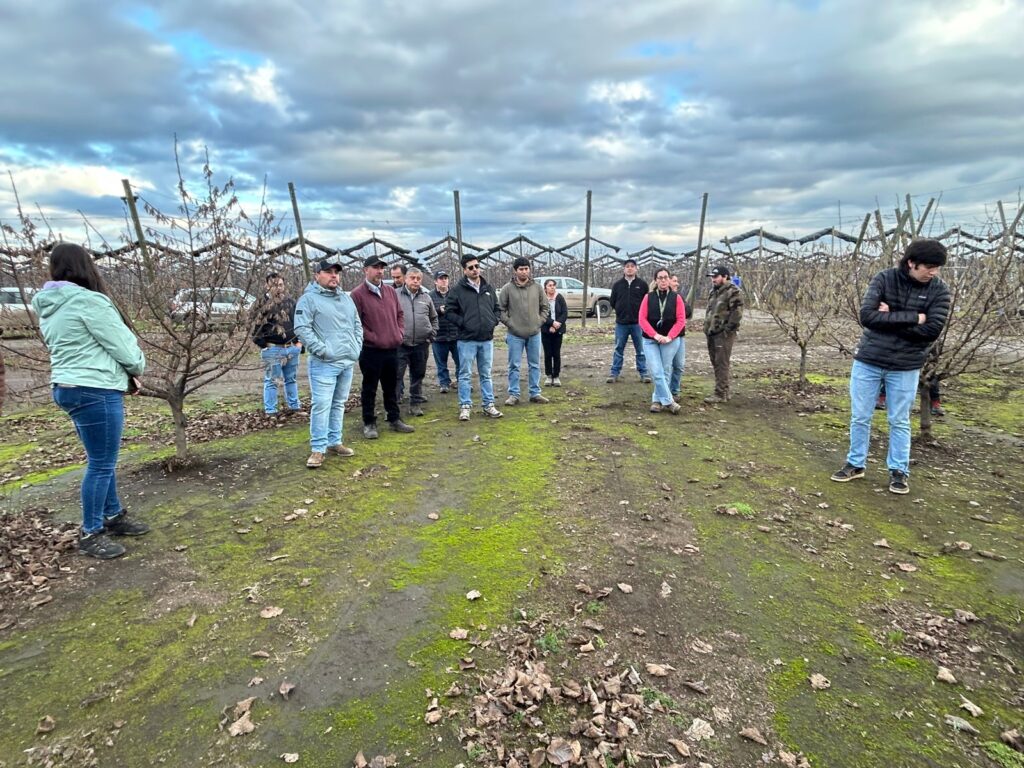
As for the development of rot (figures 2a and 2b), they will inevitably enter the system, so we must ensure that they do not cause cross contamination, due to which it is extremely important to work with sanitizers at high concentrations in hydrocooling and emptying ponds, but the most important thing is to make daily water changes accompanied by good cleanings (figure 3).

In a processing line there are still 2 additional tanks; the one that supplies the saw bodies where we must ensure that there is never a lack of sanitizer, so a concentration of at least 20% greater than the minimum control of the product used is suggested, added to ideally daily water changes or at most every other day.
And finally, the fungicide tanks, where for such a complex season in rots it is recommended to work with 2 molecules to cover a wider spectrum of pathogens to control (fludioxonil and tebuconazole) in doses that always allow to remain at 1 ppm for each active ingredient. In most of the lines, these tanks have large volumes of water, which does not allow daily solution changes, but this should be done every 7 or maximum 10 days; in addition, to ensure safety against phytopathogenic fungi, the sanitizer used should be used at minimum ppm for control and this dose should be monitored with pathogen cultures to determine if it is necessary to adjust the dose or reduce the change times.
Two other technologies that help us minimize the incidence of post-harvest rot are: correctly managing modified atmosphere bags (MAP) as well as cooling and maintenance techniques.
In the case of MAP bags used in packaging cherries, it must be ensured that they are well sealed so that the gaseous composition is modified by lowering the O2 and increasing

dispatch within the optimal range.
CO2.
As for cold, after packing the fruit, the pulp temperature must be lowered to 0°C as soon as possible, trying not to exceed 12 hours of entry into pre-cold and ensuring that the temperatures of the fruit pulp on both the internal and external sides of the pallet are below 0.5°C (figure 4).
By taking care in handling and packaging the fruit, we can ensure that the fruit is in good condition when it is packaged in our maritime shipments.