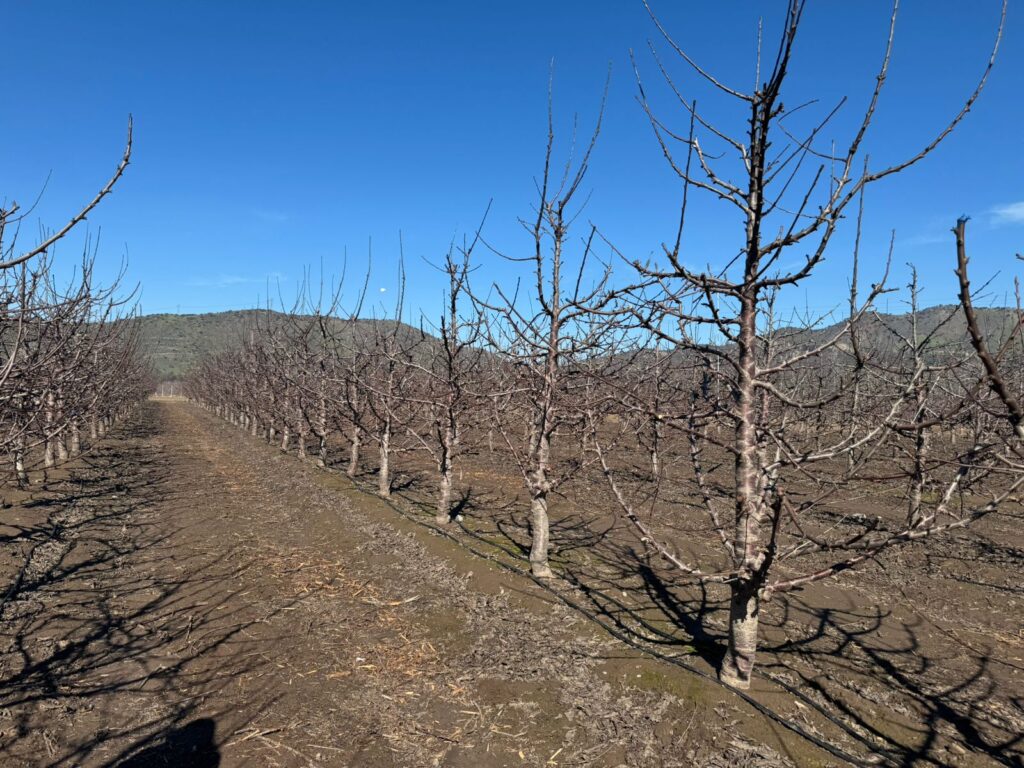
In a world marked by constant climatic variations, understanding how atmospheric conditions influence production is essential to guarantee the quality and quantity of the fruits harvested..
«The impact of climate on production must be understood as interrelated events that affect the entire fruit cycle. Phenomena such as El Niño cause hormonal and nutritional changes, having direct effects on the quality and weight of the harvested fruit.» Says Mauricio Adasme, Head of the Las Garzas Agricultural Laboratory.
Planting new varieties in constantly changing production areas requires constant monitoring of weather variables and adaptation of cultivation strategies. Adasme continues: «Environmental factors such as rain, temperature and solar radiation influence the harvest. Rain, for example, can affect pollination, causing difficulties in the movement of pollen and the flight of biological vectors. In addition, the sensitivity of the fruit to rain is critical from the straw-yellow phenological stage/beginning of veraison, and can cause damage and rot if not managed properly.»
Temperatures are also a key factor. Late flowering in a warm environment can have a negative impact on fruit set. High temperatures can limit fruit growth and hinder its development, influencing its size and colour. Likewise, high temperatures in pre-harvest can accelerate cherry ripening and reduce colour development.
Solar radiation is another critical element in the cherry harvesting process. Prolonged exposure to extreme conditions can collapse the plant's defensive systems, which can result in damage to the fruit. Protecting the crop from sun damage is essential, including maintaining adequate water status and caring for the health of the orchard. Products such as white paint with Kaolinite on wood and biostimulants can help minimize these effects.
Climate adaptation has become a necessity for cherry growers. Planting the right varieties in new geographic areas is no longer enough. The climate is constantly changing and challenges traditional cultivation techniques. Farmers must be prepared to face unpredictable and often extreme weather conditions. This involves not only monitoring weather conditions, but also having effective strategies to mitigate adverse effects. Innovation in agriculture, the use of advanced technologies and constant research are crucial to achieving a quality cherry harvest in a world where climate is an increasingly determining factor.
In conclusion, the relationship between climate and cherry harvest is undeniable. Given this, it is essential that producers keep abreast of climatic conditions and adapt their cultivation strategies to ensure fruitful, high-quality production with the expected returns.