As with many countries, the past cherry season was not an easy one for Australians; labour shortages, logistics issues due to the pandemic and the weather affected production and exports. However, according to the recent report released by the USDA, Australian cherry production for the 2022/23 campaign is expected to increase to 19,000 metric tons (MT). During the 2021/22 season, the figure reached 16,000.
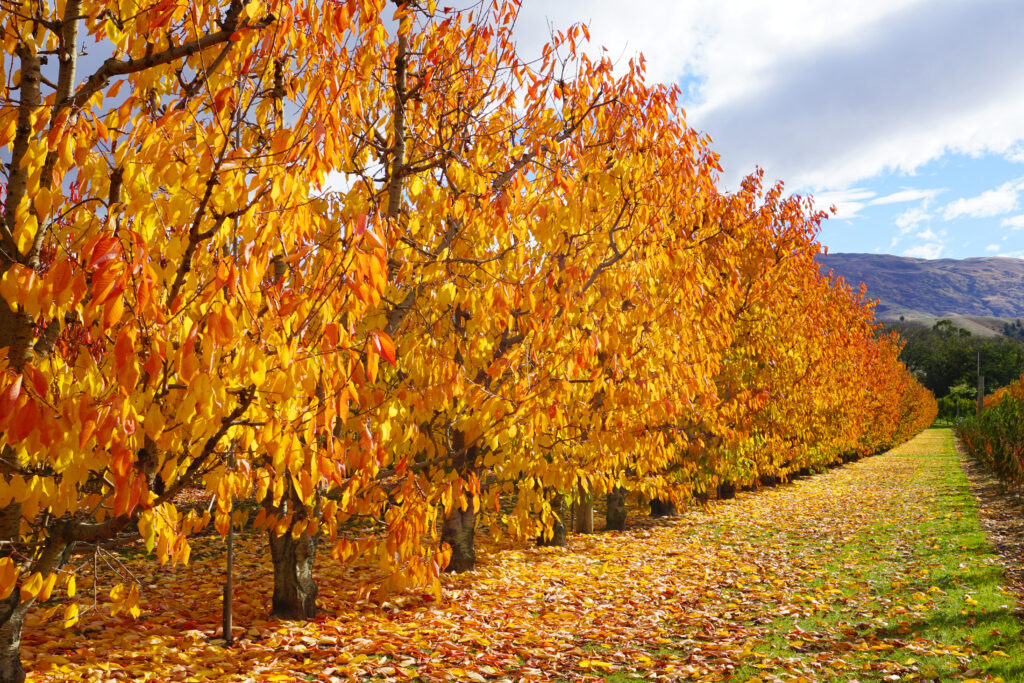
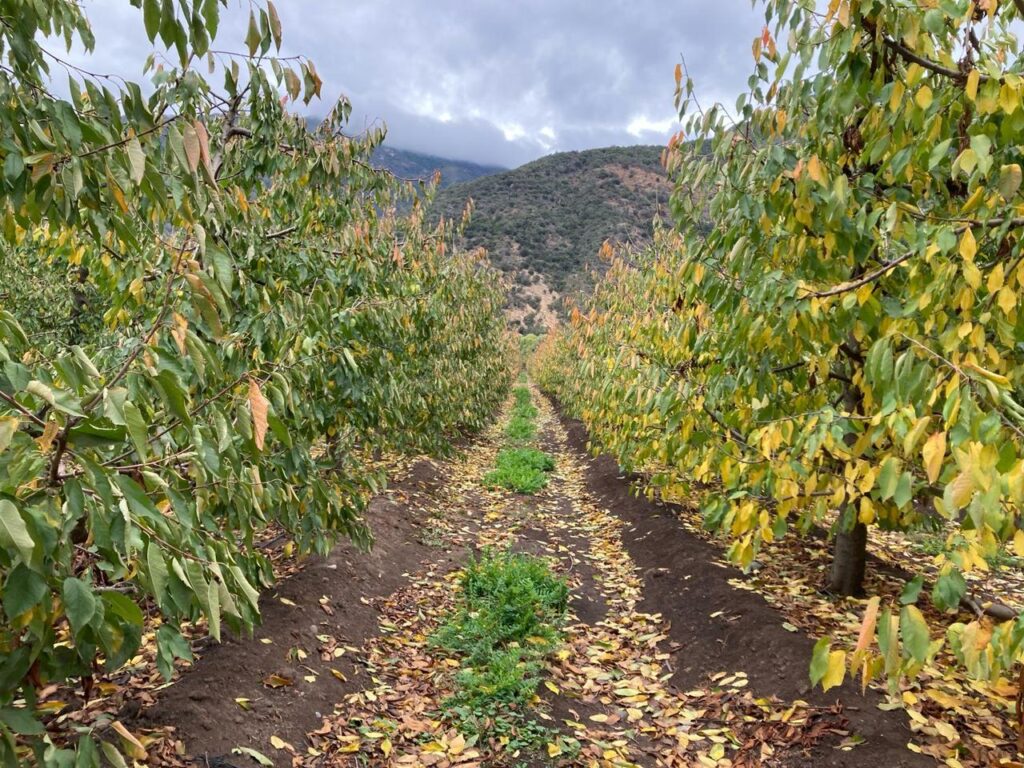
The reason? Australia has seen a gradual increase in the area of cherry trees, and a significant part of it is coming into production this year. In addition, winter has presented optimal conditions in the main cherry production areas, which has allowed for a sufficient accumulation of cold hours, essential for starting the new season.
Projections
According to the data included in the aforementioned report, Australian exports of fresh cherries will increase moderately to 4,500 tonnes in the 2022/23 campaign, compared to 3,900 tonnes in the previous season. However, problems associated with transport costs are expected to continue to be present, especially considering that Australia sends almost all of its cherries (more than 99%) by air.
While it is clear that high freight costs will continue, the increase in exports could put a damper on a difficult season. The increase is due to two reasons: first, the growth in production, and second, the fact that Tasmanian cherry production is dependent on the export market, as the harvest time falls outside the period of peak domestic demand, which coincides with the days before Christmas.
Where do Australian cherries go?
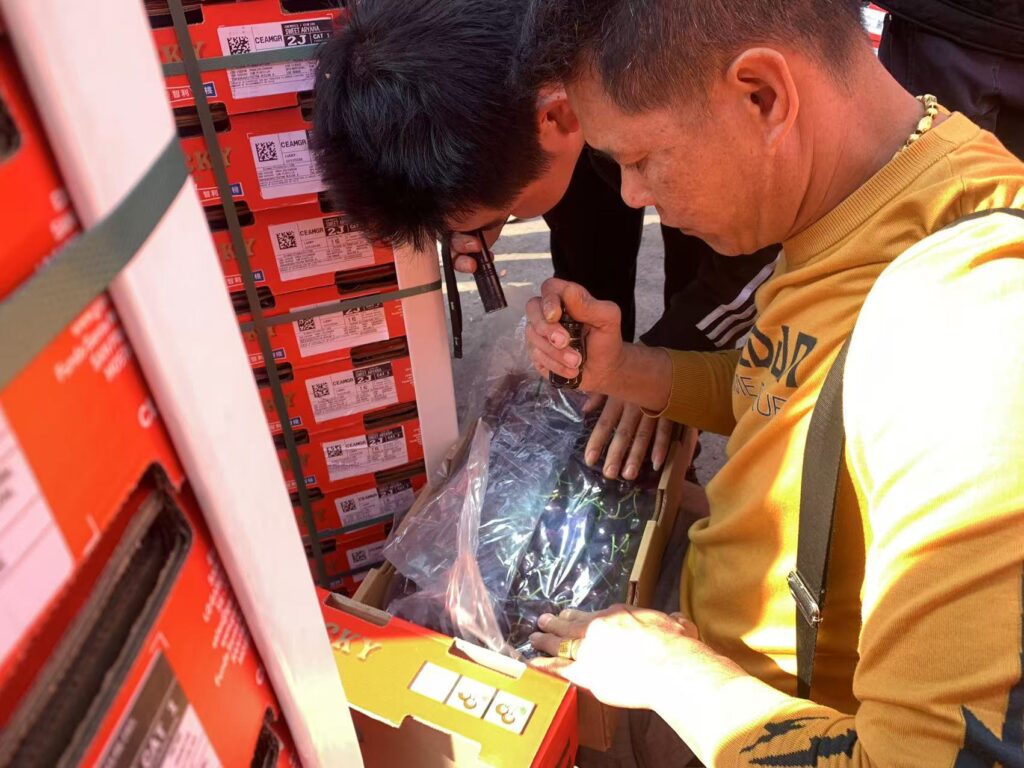
Asia is the main destination for Australian cherries; as they are relatively close, very different from the reality of Chile with respect to this destination market, shipments are mainly by air, which is more profitable compared to longer-haul destinations.
Main destinations:
-Hong Kong
-Vietnam
-Singapore
-Taiwan
-China
These destinations account for more than 75 per cent of total exports. In recent years there has been a shift away from China, while markets such as Hong Kong and Vietnam have gained prominence as destinations for Australian cherries.
Australia, in turn, imports cherries, mainly from the United States. It is expected that during the 2022-23 season, 1,800 MT of cherries will arrive in Australia; a good fact to consider for the Chilean cherry industry, in the complex attempt to diversify the market for national cherries.