As the cherry export season to China begins, winter rains in Chile's cherry-growing regions have posed significant challenges that could impact production of this coveted fruit. The steady and solid growth of Chile's cherry industry, fueled by increasing demand in China, is threatened by inclement weather that has particularly affected the O'Higgins and Bio Bio regions.
According to statements by the Asoex Cherry Committee, a production of 100 million 5-kilo boxes was initially estimated for this season. However, due to the recent rains, the expectation has been adjusted to 95.4 million boxes. Despite this adjustment, an increase of 15% is projected compared to the previous year's production, which recorded a total of 83 million boxes.
Heavy and prolonged rainfall can lead to water imbalance in soils intended for cherry tree cultivation. Although water availability is essential for healthy tree growth, a sudden excess can lead to complications. Water-saturated soil affects the oxygenation of roots, reducing their ability to absorb nutrients and water, resulting in water stress even in apparently well-drained soils. This phenomenon alters soil dynamics by reducing aeration, which in turn can lead to root rot problems and, in extreme cases, to the death of young trees or decreased production in more mature trees.
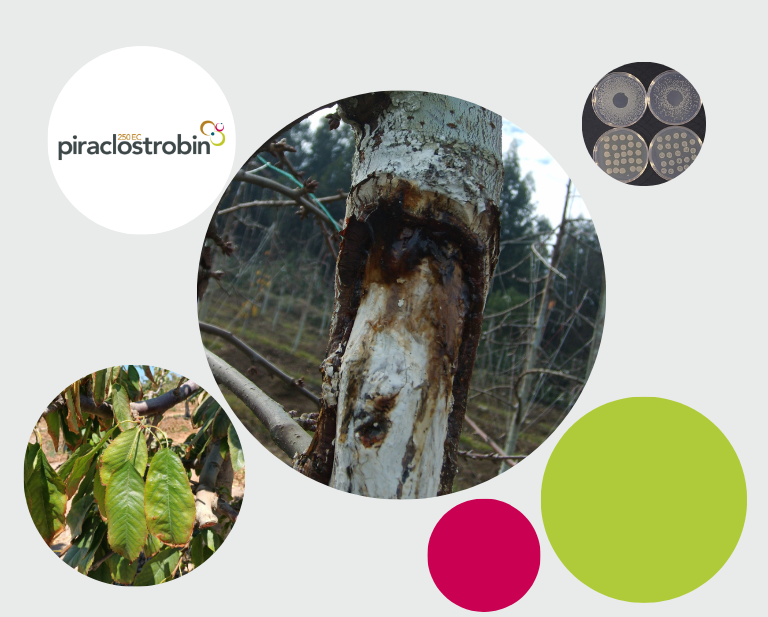
In addition, excess moisture in cherry orchards can increase the presence of soil-borne pathogens, such as fungi and bacteria, which could cause tree diseases. Fungal diseases can thrive in humid conditions, directly affecting fruit quality and, consequently, crop viability.
These technical challenges arising from rainfall highlight the importance of precise and proactive agricultural management, underlining the need for detailed and continuous analysis to monitor soil conditions, anticipate potential risks and apply adaptive strategies that mitigate adverse effects on cherry production.
In this context, laboratory analysis plays a crucial role in predicting and mitigating these problems. To elaborate on this topic, the head of the Las Garzas Agricultural Laboratory, Mauricio Adasme, highlights the importance of carrying out detailed analyses of soil, water and plant tissues to assess crop health: «Laboratory analyses allow us to monitor soil composition, identify potential nutritional imbalances and detect the presence of pathogens. This data provides us with valuable information to take preventive and corrective measures, allowing producers to act proactively to protect their crops from challenging weather conditions.", says Adasme.
In this regard, it also highlights that regular analyses and expert interpretation of results can help producers implement adaptive strategies, adjust irrigation programs, apply specific treatments and improve agricultural management, thus minimizing the impact of adverse weather conditions on cherry production. Commitment to analysis and preventive action in the agricultural field is revealed as a fundamental tool to face climatic challenges and preserve the quality and quantity of cherry production, an essential fruit in Chilean exports.